01 · Maltodextrin
Not built on sugar.
Most chews are pure sugar. Ours is built on maltodextrin, which behaves nothing like sugar once you try to set it. Worth it: far less of that sugary hit.


D.O1 Carb + Electrolyte Drink MixPick your flavour
C.O1 Carb ChewPick your flavour
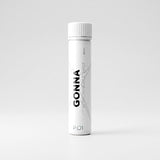
P.O1 Performance ShotOne product, two pack sizes
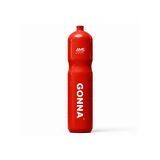
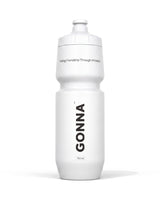
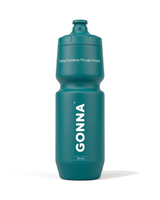
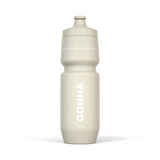
BottlesPick your colour
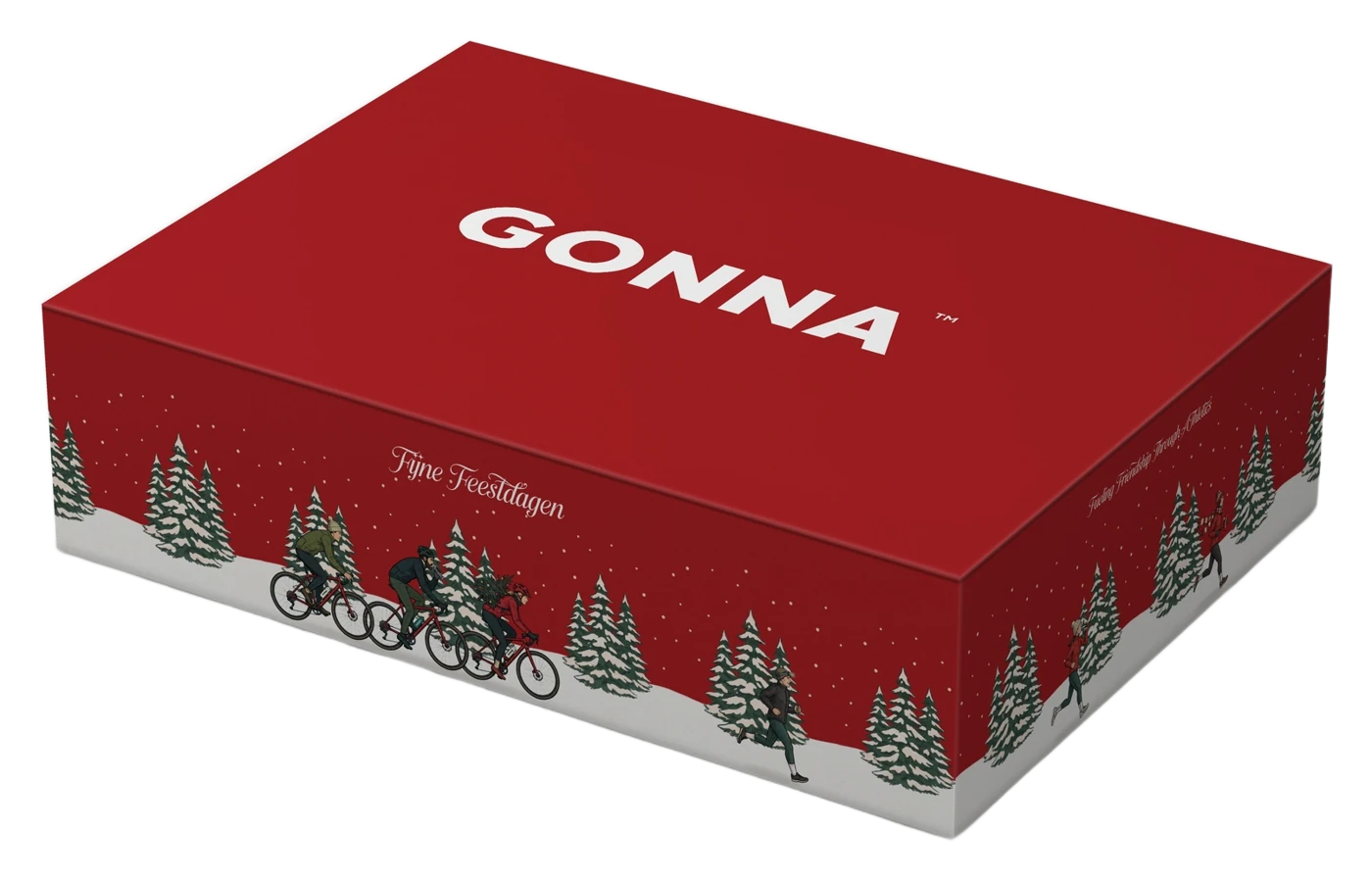 Limited edition
Holiday Box
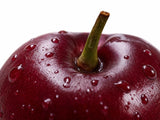
Cherry chews, drink mix, run socks and a bottle.
Shop the box
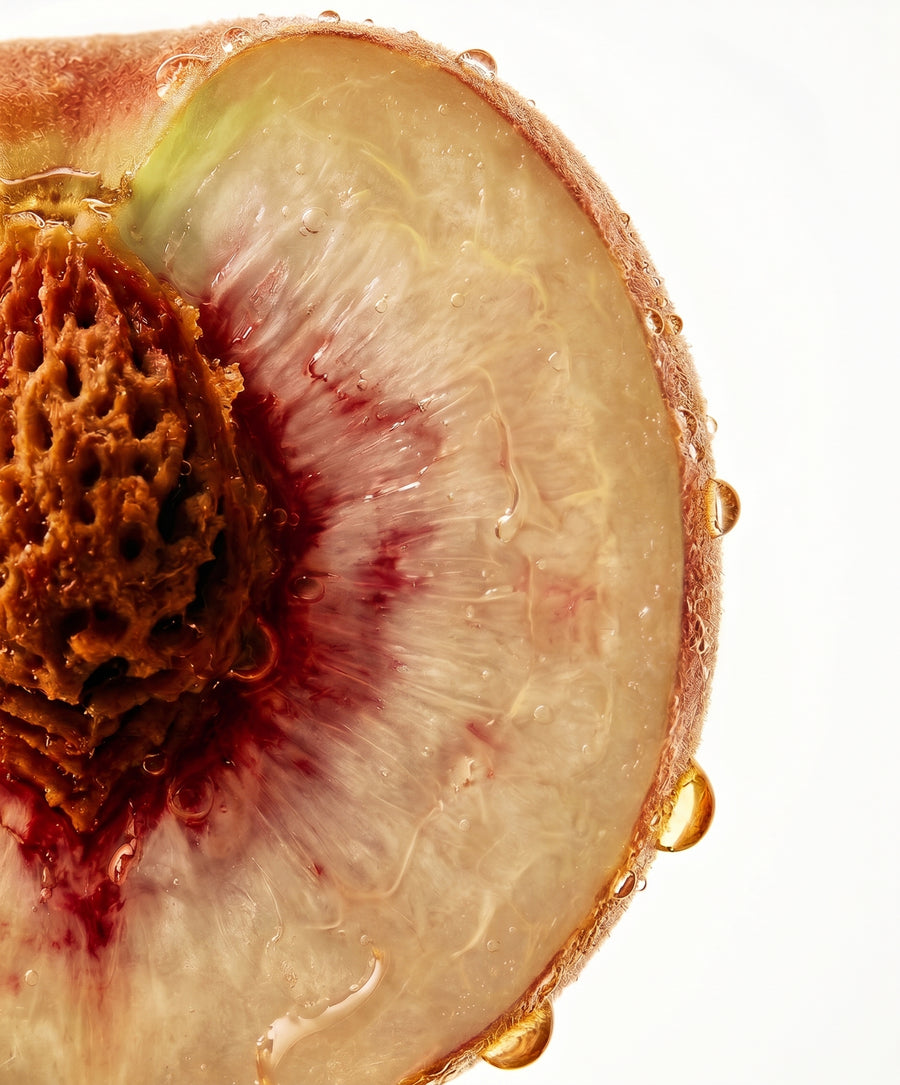 New flavour
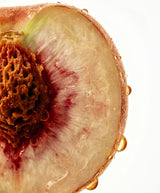
Wild Peach
Shop now
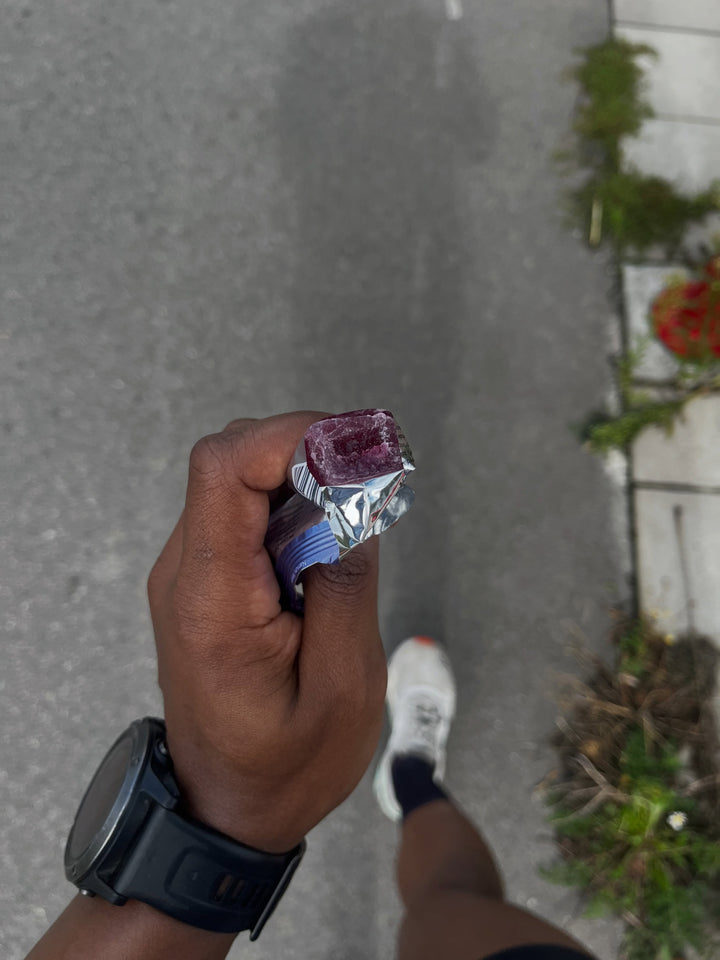
“Ran the Hague marathon this weekend on 5 strips. Much nicer than taking gels.”
Limited edition
Holiday Box
Shop the box
D.O1 Carb + Electrolyte Drink MixPick your flavour
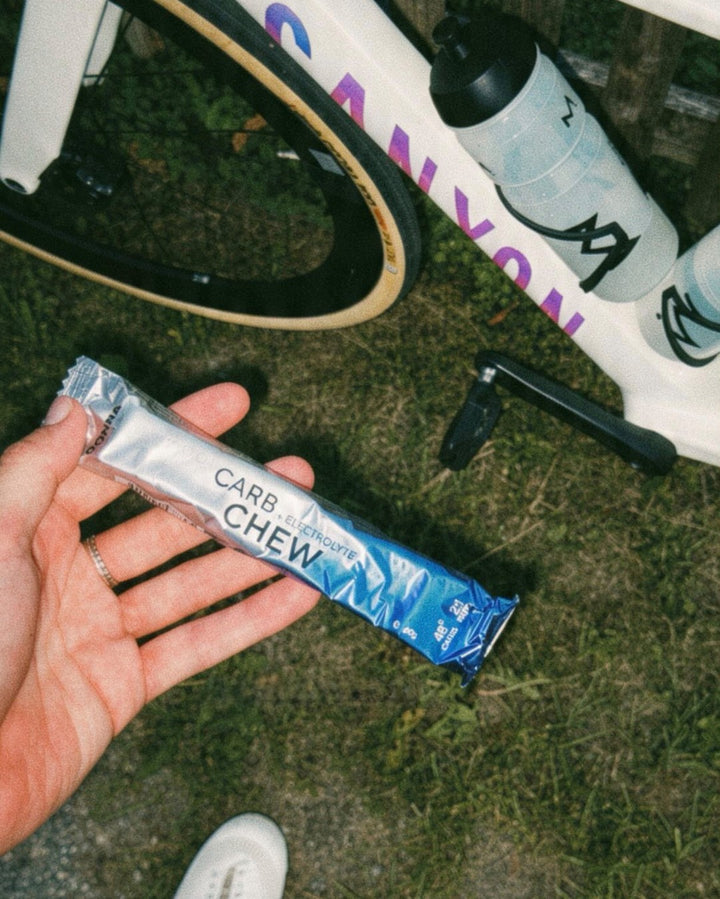
C.O1 Carb ChewPick your flavour
P.O1 Performance ShotOne product, two pack sizes
BottlesPick your colour
Free Benelux shipping from €55. Ships same day from Amsterdam.
Everyone assumed the chew was the easy bit. It took two and a half years and a lot of batches we'd rather not talk about.
At the maker, the Netherlands
The brief
Soft, but firm.
Easy to chew. Survives a sweaty bib pocket. Doesn't glue itself to your teeth.
No gelatin.
We wanted it vegan. Gelatin is what makes most chews chew. So that was out.
Loaded, not sickly.
Packed with carbs, not so sweet you wince by the third one. Gluten-free, too.
Every box knocks another over.
Less sticky, you lose the bite. Less sweet, the texture falls apart.
The hard part
That is the puzzle we sat with for two and a half years.
01 · Maltodextrin
Most chews are pure sugar. Ours is built on maltodextrin, which behaves nothing like sugar once you try to set it. Worth it: far less of that sugary hit.
02 · Salt
Sounds like nothing. Salt fights everything else in the recipe. Getting it in without wrecking texture or taste took longer than we'd like to admit.

Getting it open
One hand.
Cold hands, breathing hard, a wrapper that wants a wrestle. No thanks. The strip tears open with one hand. No stopping, no teeth.
Why only six.
Twenty in a pouch and you lose count. Six is a dose you can keep track of. One strip, one job.
The maker
We know sports nutrition. We didn't know how to make chews. So we teamed up with a small, family-run maker in the Netherlands who have been getting this right for decades.
How they're actually made
No shortcut, no button to press.
Trays of dry starch, smoothed flat. A stamp presses in hundreds of chew-shaped moulds.
The warm mix goes into every mould. Then you wait.
Two or three days in the drying room. Too early, they slump. Too long, they go tough.
The trays tip. The starch is sieved and used again.
A quick clean and a light coat so they don't stick.
Into crates, then into strips of six.
And after all that
The fuel you still reach for at kilometre 35. Funny how much work it takes to make something feel that simple.
2:1 glucose to fructose, over six chews at your own pace.
Salt, the troublemaker. In there at last.
One clean tear. One dose you can keep track of.
Easy to chew. Doesn't stick. Not too sweet. Vegan, gluten-free, made in the Netherlands.

Our pricing
Most of what you pay for sports nutrition is the journey, not the packet. Distributors, importers, agents, each adding a margin before it reaches you.
We skip most of that. We work directly with the people who make our ingredients and our chew, in the Netherlands and Belgium. The saving goes into better ingredients and a lower price.
Premium, properly made, without the premium price tag. And as we grow, we hold the price where it should be.
Don't take our word for it. Here's what €20 of fuel buys you, next to the chews you already know.
Most chews and gels cost so much you ration them to race day, the worst time to be under-fuelled. A hard hour burns roughly 90 g of carbs. Drag the slider.
Hours of fuel
0 strip · 0g carbs
Hours of fuel
0 strip · 0g carbs
Hours of fuel
0 sleeve · 0g carbs
Hours of fuel
0 pack · 0g carbs
Hours of fuel
0 gel · 0g carbs
Hours of fuel
0 gel · 0g carbs
Hours of fuel
0 gel · 0g carbs
Cheaper per gram means you fuel every session, not just race day.
Plan your fuelCompetitor data sourced from publicly listed nutrition information and EU retail pricing, 2026. Carbs delivered = floor(budget ÷ unit price) × carbs per unit. Hours of fuel = carbs ÷ 90g/hr (race pace). Prices and availability may vary by region.
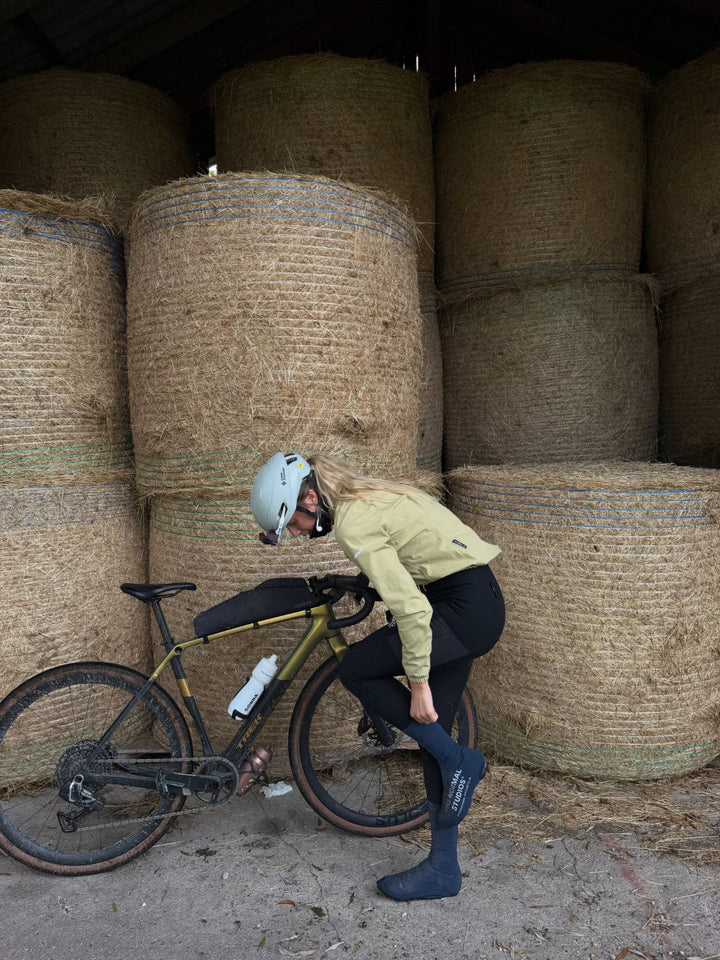
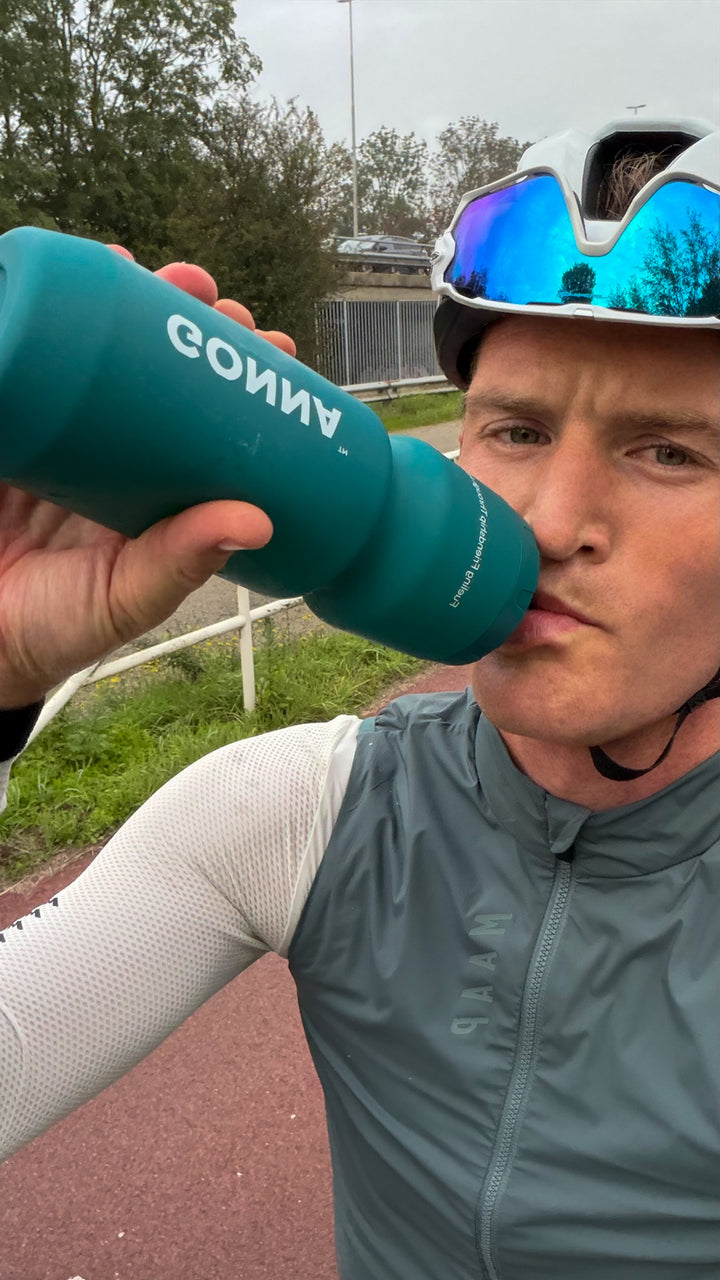
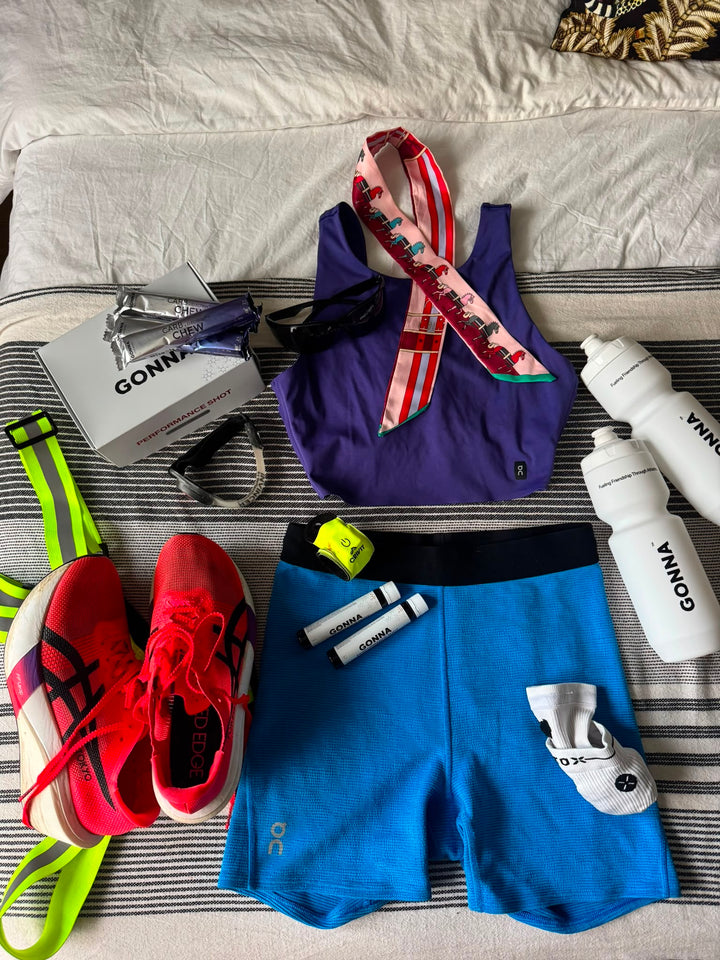
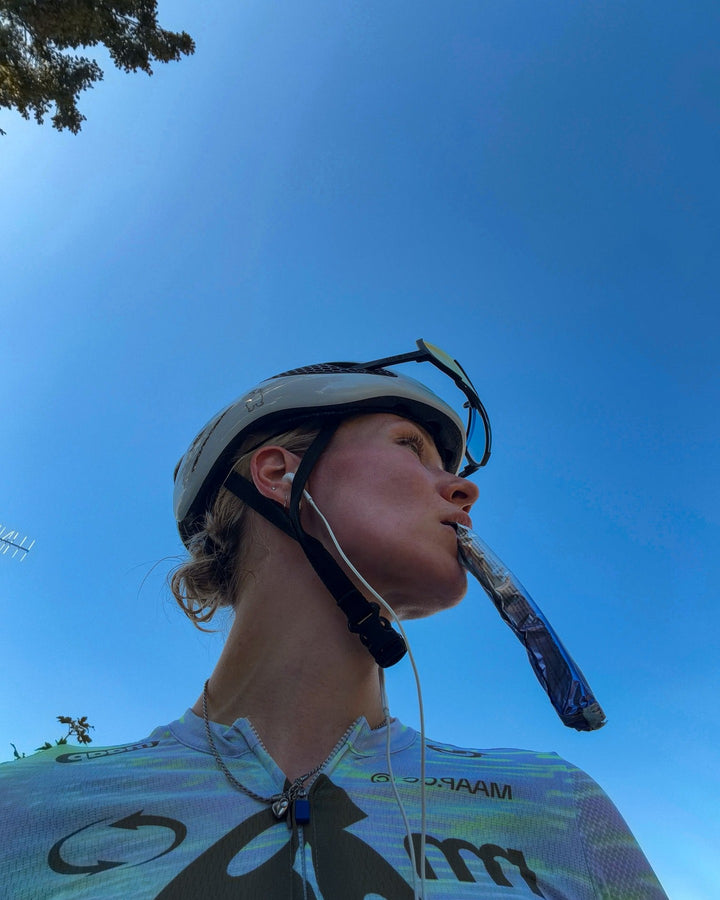
Real sessions, real races. Tag @gonnafuel to be in here.