

Marathon Nutrition Guide
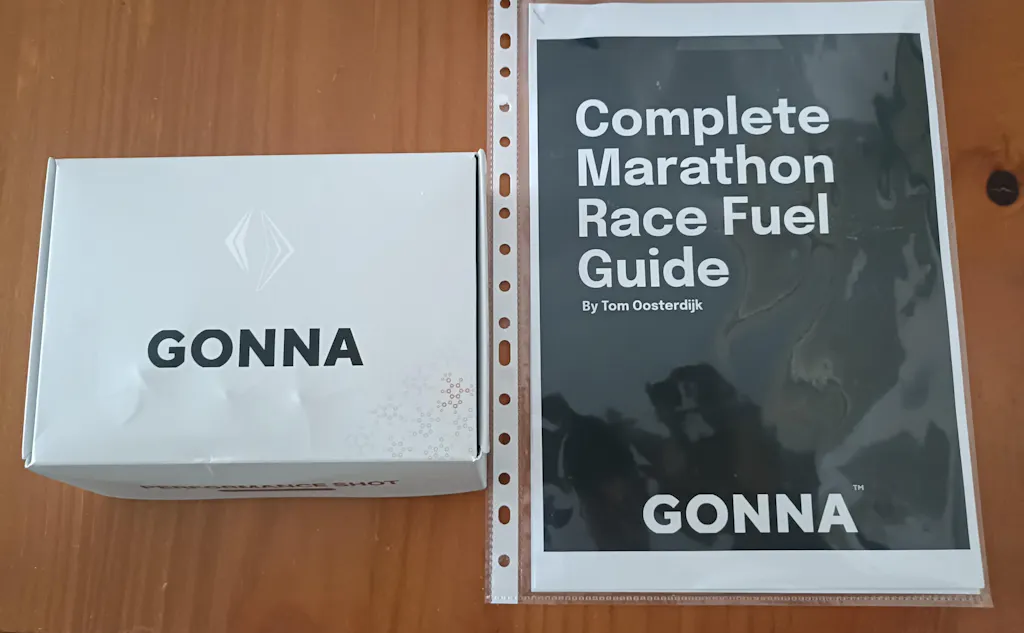
Professional triathlete Tom Oosterdijk shares the fueling strategies that power his race-day performance.
From carb loading and hydration to race-day nutrition, this compact guide delivers everything you need to avoid the bonk and run your strongest marathon yet.
Backed by years of elite-level racing and coaching insight, it’s your essential plan to fuel smarter and perform at your peak.
Information
This guide gives readers clear, science-based strategies for marathon nutrition, divided into three key parts:
1. Race Week Nutrition: Tom explains how to properly carb-load, hydrate, and adjust your diet in the days before the race to maximize energy stores and minimize gut issues.
2. Race Day Fueling: Learn exactly what to eat and drink before and during the marathon, including carb, fluid, electrolyte, and caffeine timing to stay strong and avoid hitting the wall.
3. Post-Race Recovery: Tom outlines the key nutrients needed right after the race to speed up recovery, rebuild energy, and help you bounce back faster.
Delivery
After you placed your order, this document will be downloadable as a PDF document.
Fuel the full distance.
A practical marathon nutrition guide: how many carbs per hour, when to take them, and how to train your gut before race day. Free, from GONNA.
How should I carb-load before a marathon?
Start carb-loading 2 to 3 days before race day. Gradually increase your carbohydrate intake to about 70 to 75% of your daily calories. Focus on low-fiber, easily digestible carbs like white rice, pasta, pancakes, bananas, and white bread. Avoid high-fat or high-fiber foods to reduce digestive stress. The goal is to top off your glycogen stores without feeling bloated.
What should I eat the morning of the race?
Eat a high-carb, low-fiber, low-fat breakfast 2 to 3 hours before the start. Aim for 2 to 4 grams of carbs per kilogram of bodyweight. Stick to familiar foods (like oats with honey, white bagels with jam, banana, and juice) and sip 500 mL of water or a sports drink with electrolytes during this time.
How much should I eat and drink during the marathon?
Start fueling 30 minutes into the race. Aim for 60 to 90 grams of carbs per hour using gels, sports drinks, or chews, whatever you’ve practiced with. Drink 200 to 250 mL of fluid every 15 to 20 minutes, and add electrolytes if you’re sweating heavily or racing in heat. Take a gel just before aid stations to help with absorption.
Should I take caffeine during the race?
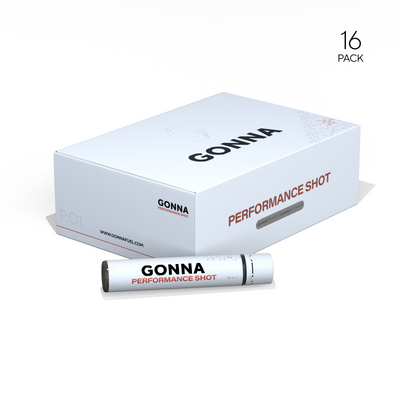
Yes, if your stomach tolerates it and you’ve tested it in training. Caffeine contributes to an increase in endurance performance, at around 3 mg per kg of body weight taken about an hour before. Take a moderate dose (around 200 mg) 30 to 60 minutes before the race or midway through for a boost during the final stretch. P.O1 Performance Shots are built for exactly this timing: 200mg of caffeine, 20 to 30 minutes before the hard work starts.
What’s the best way to recover after the race?
Within the first hour post-race, eat a mix of carbs (1 to 1.2 g/kg bodyweight) and protein (20 to 25 g) to replenish glycogen and repair muscle. Drink fluids with electrolytes to rehydrate. A recovery shake, chocolate milk, or a simple meal with rice, lean protein, and veggies can work well.